
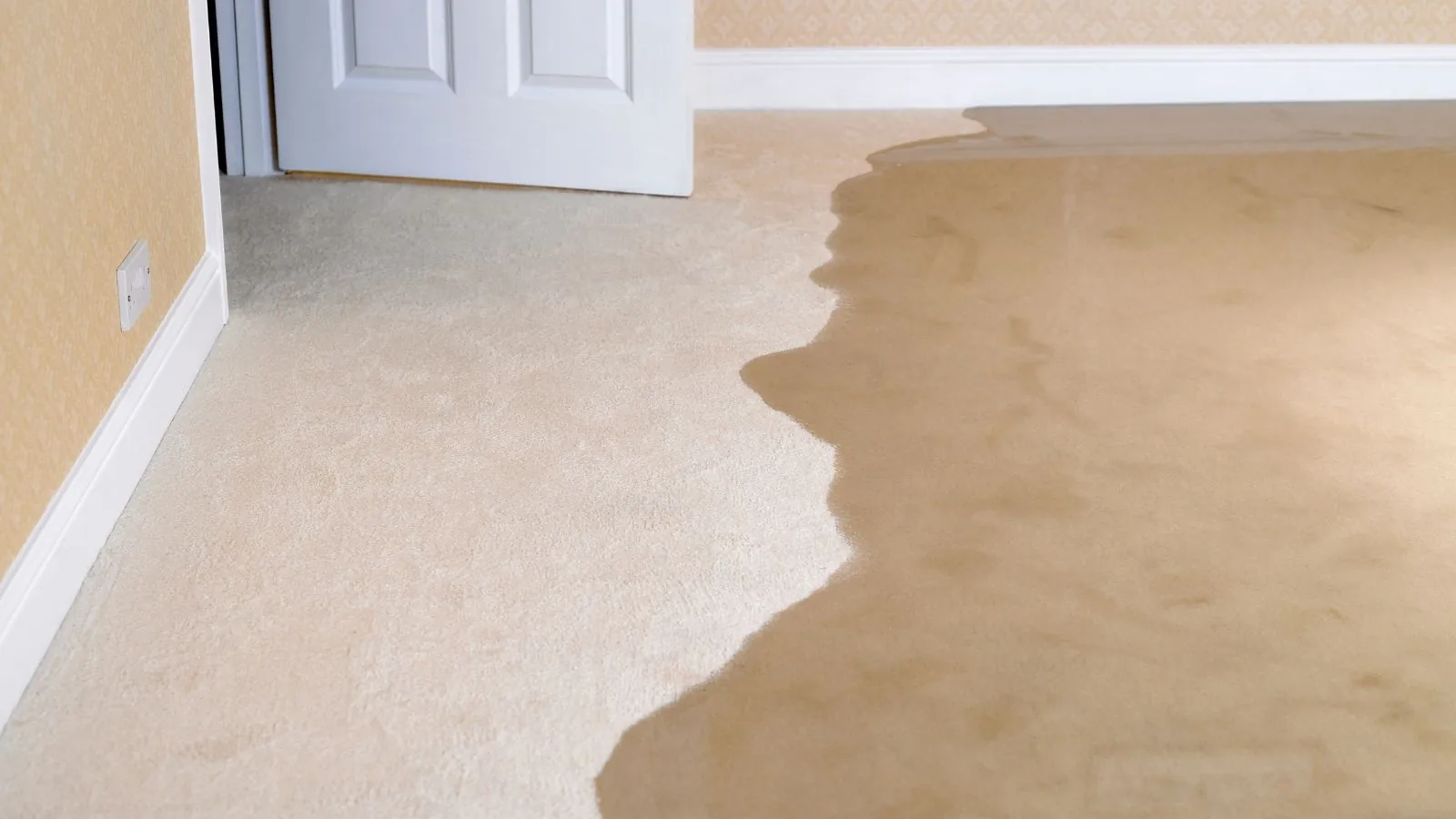
Not every wet floor needs a restoration crew. A spilled pot, a short-lived drip or a damp towel pile is a cleanup job. The trouble starts when people treat a bigger problem as a small one, because water that is not fully dried tends to come back as odor, stains or mold. Here is how to decide.
The decision table
| Situation. | Do it yourself?. | Why. |
|---|---|---|
| Small spill on tile or sealed floor, wiped up within an hour. | Yes. | Little to no absorption, easy to dry. |
| Few drops under a sink, found and fixed same day. | Yes, with a dry-check the next day. | Cabinet base may hold some water. |
| Wet carpet over a small area, clean water, caught fast. | Maybe. | Pad holds water, extraction needed. |
| Water in a wall, ceiling or under flooring. | No. | You cannot reach or measure the wet area. |
| Water for more than a day. | No. | Spreads and may be treated as a higher category. |
| Sewage, flood water or any contaminated water. | No. | Health hazard and porous materials need removal. |
| Water near electrical outlets or equipment. | No. | Shock risk. |
| Standing water deeper than an inch or two. | No. | Needs pumps and drying equipment. |
The pattern is simple. If you can see all of the water, it is clean and it has been there for hours instead of days, you may be able to handle it. If you cannot see all of it or cannot be sure it is clean, call.
What you can do safely
- Stop the source by closing the valve or main.
- Remove standing water with towels, a mop or a wet vacuum if no outlets are involved.
- Lift furniture off wet carpet and put foil under legs.
- Open windows and run fans if it is dry outside.
- Run a dehumidifier in the room.
- Photograph the damage for your records.
Use a household wet vacuum only on clean water and only away from electrical hazards. Do not use a regular vacuum on wet floors.
What you should not do
- Do not enter water that touches outlets, a panel or appliances.
- Do not walk through sewage or flood water barefoot.
- Do not use heat guns or space heaters to dry floors fast.
- Do not paint or reinstall flooring over damp surfaces.
- Do not assume it is dry because the surface feels dry.
The test most people skip: check again
Two days after you dry something, check it again. Press a hand against the wall base, feel the carpet near the wall and smell the room. A damp or musty result means moisture is still in the materials. A moisture meter gives a number instead of a guess, and you can ask a technician to take a reading if you are unsure.
The EPA advises drying wet materials within 24 to 48 hours to limit mold growth. That is a tight window for a household project, which is a good reason to bring in help early if you are not certain.
Stop and assess.
Find the source, close it and decide if it is clean water.
Remove standing water.
Use towels or a wet vacuum on safe surfaces.
Dry the area.
Use fans and a dehumidifier, and lift items off the floor.
Recheck in two days.
Look for dampness, odor or staining. If found, call.
Catonsville context for the decision
Many Catonsville homes are older, and the National Register districts of Old Catonsville, Central Catonsville and Winters Lane include buildings from 1866 to 1958. Plaster walls, original plumbing and cellars hold water in ways that a quick towel dry does not reach.
If your home was affected by heavy storm runoff, treat the water as Category 3 and call. The National Weather Service reported on May 27, 2018 that the Patapsco gauges at Catonsville and Elkridge rose about 13.5 feet in an hour, based on preliminary data, which shows how quickly outside water can arrive.
Source type: National Register records via Maryland Historical Trust, National Weather Service storm summary.
When calling a pro actually saves money
Calling early can look expensive and often is not. A crew that dries a wet wall the same day avoids the cost of replacing it. A technician who finds that a small leak soaked the subfloor lets you decide with facts. You pay for a visit and a reading and avoid a bigger bill. Our structural drying page explains the process.
If you are unsure whether a leak is worth an insurance claim, the framework is the same. Get a reading first. The kitchen and carpet pages explain common small losses in detail.
For Baltimore addresses and Howard County addresses, the rules about who to call can differ. See the Baltimore page and the Elkridge page.
The professional standard, ANSI/IICRC S500, is measurement based. If you cannot measure the moisture in a wall or floor, you cannot be sure it is dry, which is the dividing line in the table above.
Not sure which side of the line?
Call the 24/7 line. We will tell you plainly if it is a do-it-yourself job.
Catonsville DIY questions
Only if the water was clean, shallow and caught within hours. Basement carpet holds moisture from walls and floors, so a meter check is wise.
Rarely. Moisture inside a wall cavity needs controlled airflow and dehumidification, and a fan alone cannot reach it.
The EPA advises drying within 24 to 48 hours to limit mold risk. Exact timing depends on conditions.
Yes. If the damage is minor, we will say so rather than book a crew.