
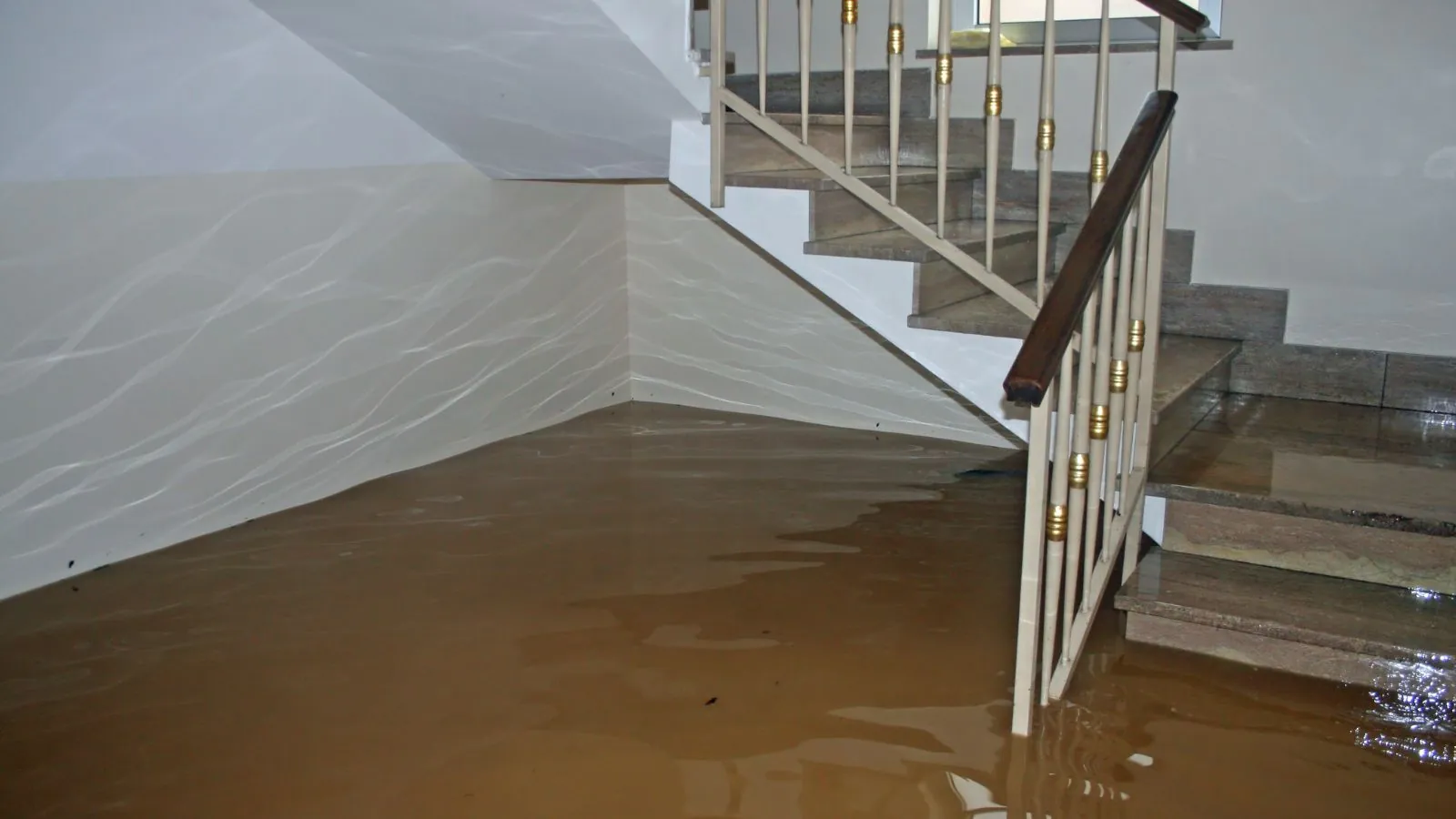
Sewage coming up through a drain: what it means
Water that rises from a floor drain, a toilet or a basement tub is not clean. It is wastewater, and it carries bacteria and viruses. The cause is usually a blockage or a surcharge in the sewer line, and the first rule is to stop adding water to the system.
Signs you have a sewer backup include gurgling drains, a sewage smell, slow drains throughout the house and water rising in the lowest fixture. If several fixtures are affected at once, the problem is likely in the main line.
Health hazard
Sewage water contains pathogens. Do not touch it with bare skin, do not wade through it and do not run fans that spread it. Keep children, pets and anyone with a weak immune system out. Wear gloves and boots if you must enter, and wash well afterward.
Who to call first in Baltimore County
Baltimore County says it handles sewer backups and cleanings in the public system and tells residents to stop using water in the house when a backup occurs. Call the county about the main line, then call a plumber if the blockage is on your side of the property line. We handle the cleanup inside the building.
In Baltimore City, the SOS Cleanup Program offers free cleanup for eligible basement sewage backups, and the city asks residents to report to 311. The city also has an Expedited Reimbursement program, and a household gets one program, not both. Howard County tells residents on public sewer to call its Bureau of Utilities before a plumber. Jurisdiction decides who does what.
What happens to a house after a backup
| Material. | Typical outcome. | Reason. |
|---|---|---|
| Carpet and pad. | Removed and discarded. | Fibers absorb contaminants that cleaning cannot remove. |
| Drywall and insulation. | Cut out above the waterline. | Porous, wicks water upward. |
| Hard floors (tile, concrete). | Cleaned and sanitized. | Nonporous surfaces can be treated. |
| Structural framing. | Cleaned, sanitized and dried. | Treated wood can often stay. |
| Mattresses and upholstery. | Usually discarded. | Contamination cannot be removed from the filling. |
How the cleanup is done
Contain the area.
Crews set barriers, wear protective gear and keep the contaminated area sealed from clean rooms.
Remove water and waste.
Pumps and vacuums remove the liquid. Solids are bagged for disposal.
Remove porous materials.
Soaked carpet, pad and drywall are cut out and bagged.
Clean and disinfect.
Surfaces and framing are cleaned and treated with disinfectants.
These steps follow the ANSI/IICRC S500 categories, which classify sewage and floodwater as Category 3. If the water came from outside the building rather than a drain, the flood damage page covers the difference.
Sewage in the basement?
Keep out and call the 24/7 line. We handle the contaminated cleanup.
Insurance and cost after a backup
The Maryland Insurance Administration says sewer or water backup coverage typically requires an endorsement on your homeowners policy, and Maryland law requires insurers to offer it. Check whether you have it before you assume the loss is covered. Document everything with photos and keep receipts.
- Size of the affected area and number of floors.
- Amount of porous material removed.
- Disposal and protective equipment.
- Drying days and equipment.
- Rebuild scope.
We explain the scope and the price before work starts. Call the line for a real number.
Common questions
Yes. The line is answered 24/7. Stop using water, keep out of the area and call so a same-day response can be planned when a crew is available.
Gray or brown water with a strong odor, often rising from a floor drain or toilet. Gurgling drains and slow fixtures are early signs.
It is not advised. Sewage carries pathogens and soaks porous materials. Professional crews use protective gear, containment and disinfectants.
It usually requires an endorsement, and Maryland law requires insurers to offer it. Check your policy.
In Baltimore County, call the county about public sewer backups. A plumber handles blockages on your side. We handle the interior cleanup.