
A claim is a story told with evidence. The better the evidence of what happened, when and how big, the fewer arguments later. This guide puts the steps in order and flags the points where homeowners usually lose ground.
Step 1: make it safe and stop the source
Safety comes before paperwork. Shut off the water, keep out of rooms where water reaches outlets and move people and pets away from sagging ceilings. Insurers expect you to prevent further damage, so stopping the source is both safe and required. If you are not sure the source is stopped, call a plumber, and see our burst pipe page for what to look for.
Step 2: document before you move anything
The Maryland Insurance Administration advises photographing and videotaping all damage. Do it before you lift furniture, pull up carpet or throw anything away. Take wide shots of each room, close shots of the damage and the source, and a short video that walks through the house.
- Photograph the source, such as the pipe, appliance or roof area.
- Capture water lines on walls and ceilings.
- Photograph labels and serial numbers on damaged electronics.
- Record the date and time on a note or in the photo metadata.
- Keep damaged items until the adjuster has seen them or approved disposal.
Step 3: report the loss to your insurer
Report the claim promptly. The Maryland Insurance Administration advises reporting immediately, with one caution that small claims can risk policy termination, so weigh the size of the loss before filing. Our water extraction page covers what to do while you decide, since mitigation cannot wait.
When you call, write down the claim number, the name of the person you spoke with and the date. Ask what documents the insurer wants, whether it requires an inspection before work begins and whether it recommends or requires particular vendors.
Step 4: mitigate, meaning dry it out
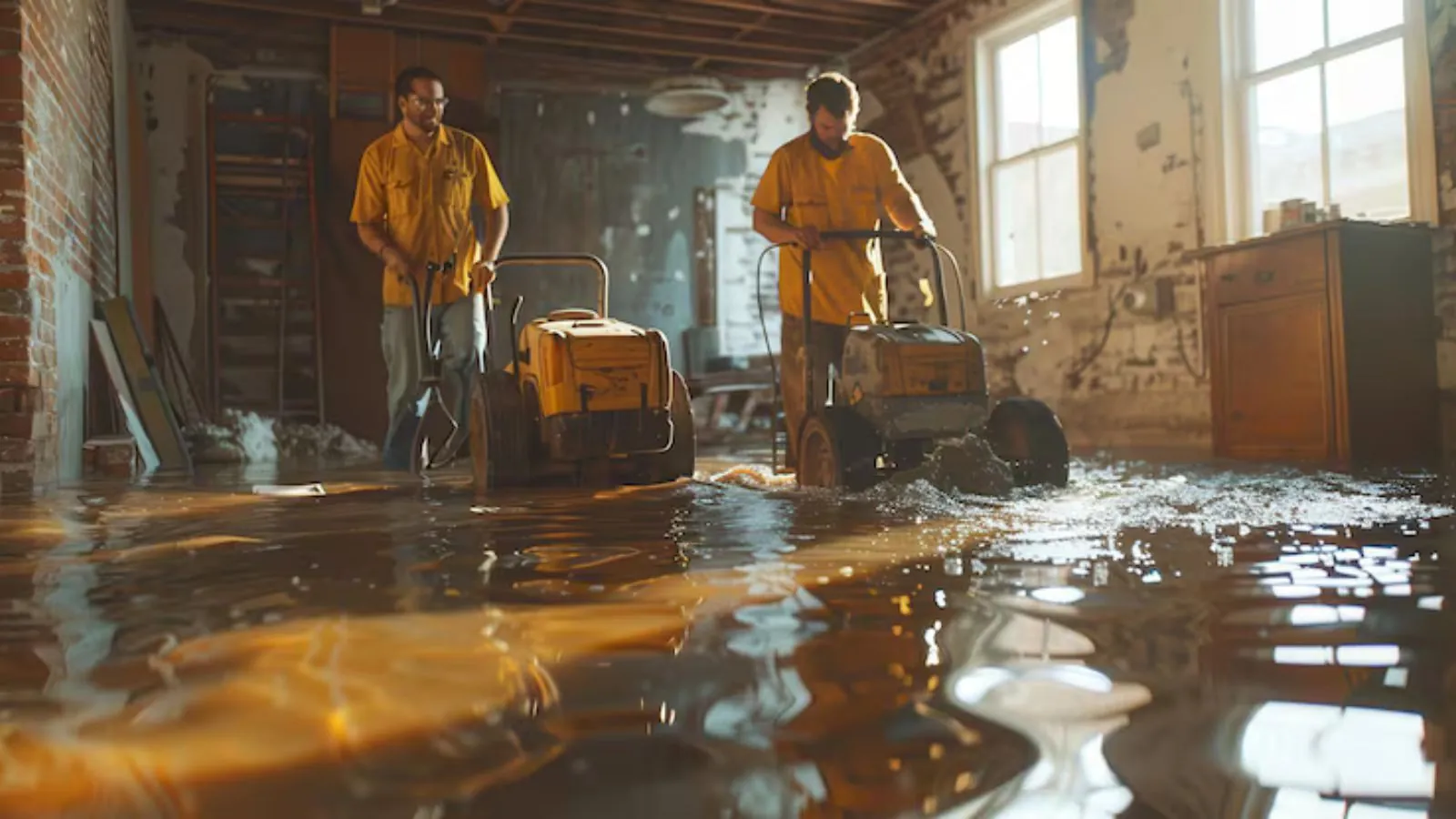
Policies generally require reasonable steps to protect the property. That means extracting water and drying the structure, not waiting for the adjuster. Keep receipts. Ask the crew for moisture readings, photos and an equipment log, which show what was wet and what was done about it.
| Document. | Who provides it. | Why it helps. |
|---|---|---|
| Photos and video of the loss. | You and the crew. | Show the condition before work. |
| Moisture readings and drying log. | Restoration company. | Show what was wet and when it dried. |
| Plumber or roofer invoice. | Trade contractor. | Shows the cause and the repair. |
| Receipts for emergency costs. | You. | Support reimbursement for protective steps. |
| Inventory of damaged contents. | You. | Supports the contents portion of the claim. |
Step 5: make an inventory
List damaged belongings with the item, age, approximate value and where it was. Photographs help. For paper items, the National Archives advises that wet paper be air dried within two days or frozen, and that old photographs and negatives should never be frozen. For claims, the point is to keep a record of what you save and what you lose.
A Catonsville detail
Baltimore County says a plumbing permit is required for all plumbing and gasfitting work, and that only a county licensed plumber or gasfitter contractor can apply for it. If a leak requires plumbing repair, keep the plumber's invoice and permit information with your claim file.
If your home is in Howard County, such as Ellicott City or Elkridge, building permits come from the Howard County Licenses and Permits Division instead. Know which county's rules apply to your address before you start work.
Source type: Baltimore County Department of Permits, Approvals and Inspections, Howard County Licenses and Permits Division.
Step 6: meet the adjuster and ask questions
The adjuster will inspect, take their own photos and decide what the policy covers. Be present if you can, bring your documentation and ask how the estimate was built. If you disagree with the result, ask for the reasoning in writing. A restoration company can supply records, but it does not argue coverage for you.
Keep working only on what is needed to protect the home until you know what is covered. Large rebuilds can wait for the estimate. Drying cannot, which is why most restoration companies start before the adjuster arrives and document as they go.
Step 7: keep the file
Store everything together, including the claim number, adjuster contact, invoices, logs and photos. Claims can run for weeks, and a clean file saves hours when a question comes up. If your loss involved sewage or outside water, the sewage backup page and flood damage page explain what the cleanup records should show.
For a nearby example of how paperwork differs across jurisdictions, see the Baltimore page, where city programs are separate from insurance.
Claim records look the same wherever the loss happened, but the offices differ. Baltimore homes follow city rules, and Elkridge homes follow Howard County rules.
Moisture logs kept the way the ANSI/IICRC S500 standard describes are the records adjusters ask for most. Ask for them from the first visit.
Ready to start documenting?
Call the 24/7 line. We take photos and readings from the first visit.
Catonsville claim questions
Stop the water and make the home safe, but photograph first and keep damaged items until they are documented. Drying should not wait, because delay worsens damage.
The Maryland Insurance Administration cautions that small claims can risk policy termination, so weigh the size of the loss against your deductible and your insurer's practices before filing.
It can provide records and talk to the adjuster about the work. Coverage decisions and disputes are between you and your insurer.
Keep them until the claim is closed and for as long as your insurer or tax adviser recommends. Digital copies in more than one place are safer than a single folder.