
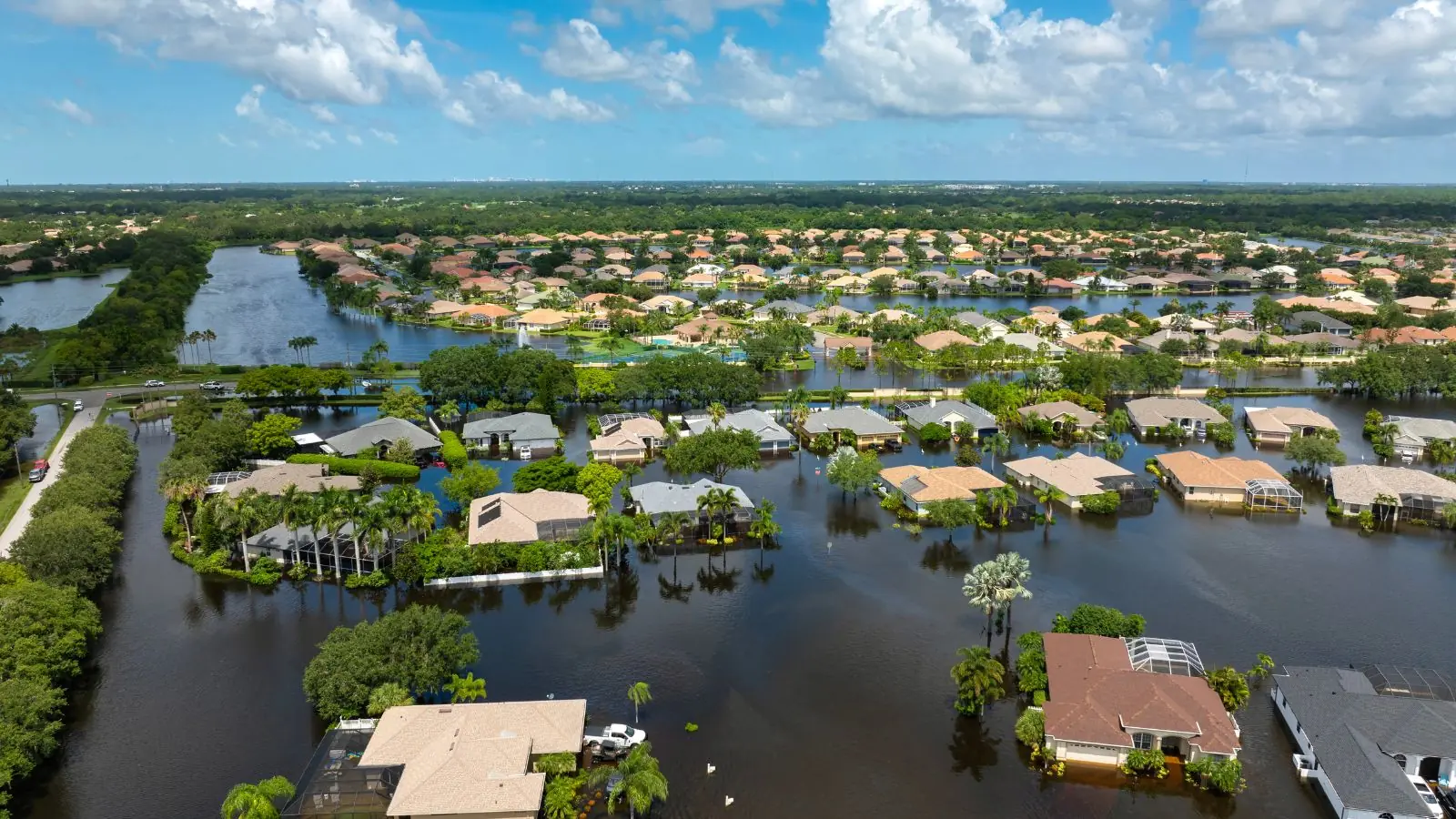
People get hurt in water emergencies by trying to save a television or a computer. Your first priority is your own safety, and a close second is knowing which devices are recoverable. This guide covers both.
Rule one: do not stand in water near live power
If water reaches outlets, cords or the panel
Do not step into the water. If the main breaker panel is dry and reachable without crossing water, switch off the power to the affected area. If you cannot reach it safely, call the electric utility or 911. Never touch a wet appliance or cord while standing in water.
Water that touches live wiring can electrify the whole puddle. Wearing rubber boots does not make it safe. When in doubt, leave and call for help.
A quick sort for electronics
| Situation. | What to do. | Why. |
|---|---|---|
| Device only splashed, power off. | Leave it off, dry it, wait for a full day. | Moisture inside can short a circuit on power-up. |
| Device was submerged. | Do not plug in or power on, bring it to a repair professional. | Water and corrosion can damage circuits. |
| Appliance in standing water. | Do not touch, cut power from the panel if dry, or call the utility. | Shock risk. |
| Power strip or extension cord that got wet. | Replace it. | Internal contacts can corrode or short. |
| Outlet or switch that got wet. | Leave it off and have an electrician inspect. | Hidden moisture can cause a fire hazard. |
Do not turn on a wet device to see if it works. This is the most common mistake and often turns a recoverable device into a loss. Let a professional check it.
Steps for a splash or short exposure
Power down first.
Switch off power at the breaker from a dry position, then unplug the device.
Remove batteries.
Take out batteries and external drives if you can do so safely.
Dry the outside.
Wipe with a dry cloth. Do not use a hair dryer or heat.
Let it rest.
Leave it in a dry, ventilated place for at least a day. Consider professional inspection for valuable devices.
Appliances and heating equipment
A water heater, furnace or washer that sat in water should be inspected before use. Gas appliances that were submerged need a professional check of their controls, since water can damage valves and burners. Do not relight a pilot or restart a furnace that was in water. Our water heater page and basement page explain where these appliances often sit.
An electrician can check circuits that were wet and tell you which are safe to restore. Ask for an inspection in writing, since your insurer may want to see it.
Utilities in the Catonsville area
Baltimore County's website directs sewer backups to the county and says to stop using water in the house. For electrical emergencies, contact the local electric utility or call 911 if anyone is in danger. The right call depends on the hazard, and an electrical hazard comes before cleanup.
Basements around Catonsville often hold furnaces, panels and water heaters. The National Weather Service reported that on May 27, 2018 about 6 inches of rain fell in the Oella and Catonsville areas by 5:15 pm. Events like that fill basements with equipment already in the water.
Source type: Baltimore County government pages, National Weather Service storm summary.
What a restoration crew does about power
A crew checks for electrical hazards before entering, and it will not work in water that reaches live equipment. We may ask you to have an electrician cut power or inspect a panel first. If the situation is unsafe, we say so.
Do not let the cleanup start before the power question is answered. For more, the storm damage page covers the electrical risks that follow heavy weather. Houses in Elkridge face the same issues, as the Elkridge page notes.
Specific devices people ask about
Phones and laptops are the most common questions. Power the device off if it is on, remove the case and battery if possible and do not charge it. Rice does not reliably help, and it can lodge in ports. A repair shop can open the device and clean the board, which works best when done within a day or two before corrosion sets in.
Televisions and large screens hold water in the stand and the bottom edge. Leave them unplugged and tilt them gently so water drains from the bottom, then let them dry for several days before a technician checks them. Smoke detectors and carbon monoxide alarms that got wet should be replaced, since their sensors can fail without warning.
After the power is safe
Once the area is dry and an electrician has cleared it, start restoring power in stages. Test circuits one at a time, replace damaged cords and outlets and check smoke and carbon monoxide alarms. Keep records of the inspection and of anything replaced. They help with insurance and resale.
The same electrical caution applies in Baltimore, where shared walls make it important to tell neighbors, and in Ellicott City, where valley flooding often reaches basement panels.
The ANSI/IICRC S500 standard puts safety assessment first, before any water is moved. For electrical hazards, the right first call is the utility or an electrician, not the cleanup crew.
Water near wiring and need cleanup?
Make it safe first. Then call the 24/7 line.
Catonsville electrical questions
Wait. If it only got a splash, dry it and let it rest for a day. If it was wet inside, have it checked before powering on.
Only from a dry spot with a dry panel. If you must cross water, call the utility instead.
Yes. Internal contacts can corrode or short after getting wet.
A licensed electrician. Ask for the inspection in writing.