
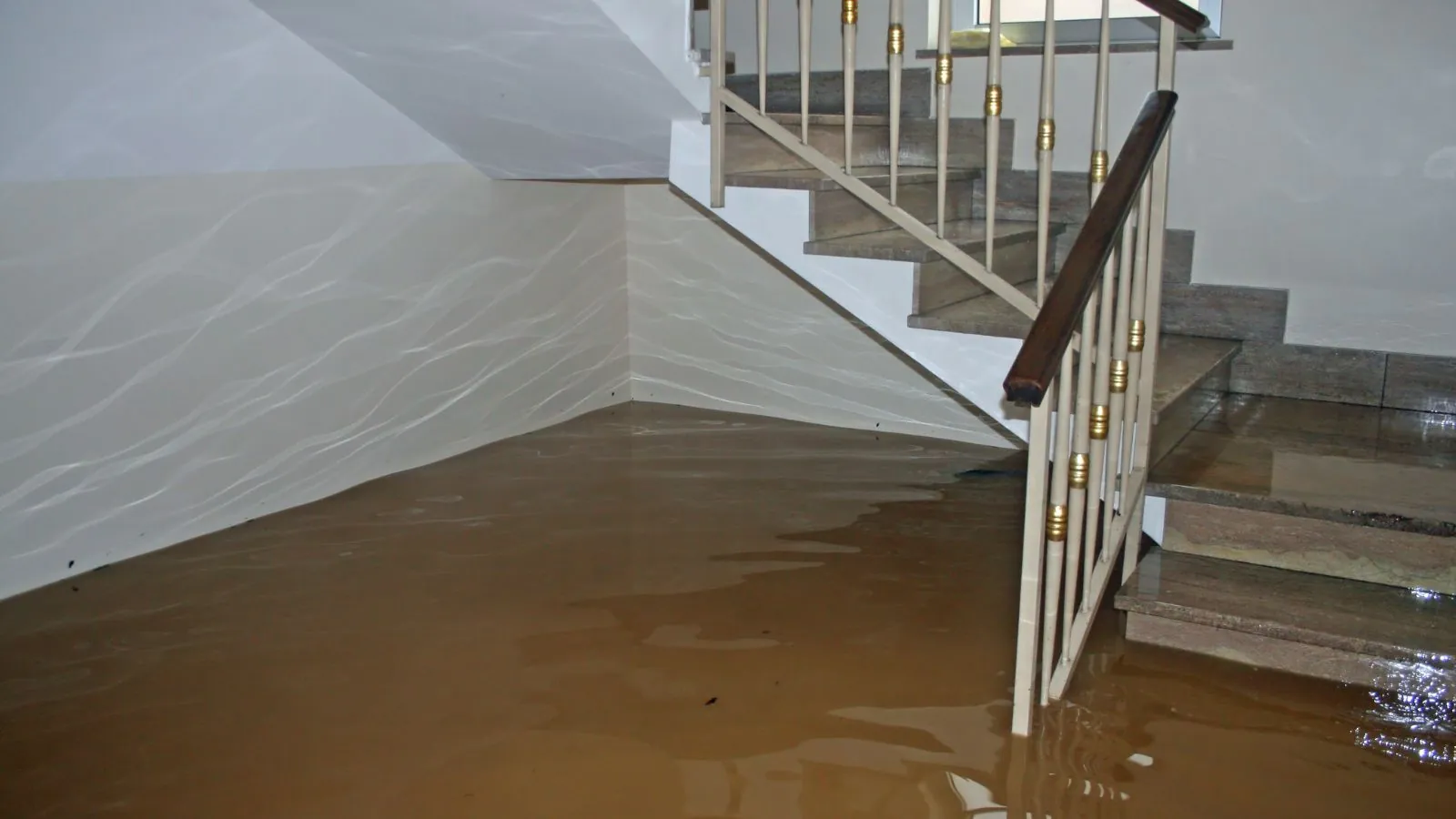
When a restoration company asks where the water came from, it is not making conversation. The answer sets the category, and the category sets the plan. The ANSI/IICRC S500 standard, which the industry uses for water damage restoration, groups water into three categories based on how contaminated it is.
The three categories at a glance
| Category. | Source examples. | Hazard. | Usual handling. |
|---|---|---|---|
| 1, clean. | Supply line, faucet, tub overflow of clean water. | Low at first. | Dry porous materials in place if done quickly. |
| 2, gray. | Washing machine or dishwasher discharge, toilet overflow with urine but no feces. | Some contamination. | Clean and dry hard surfaces, usually remove carpet pad. |
| 3, black. | Sewage, river or surface flood water, standing water with growth. | Serious contamination. | Remove porous materials, clean and disinfect, protective gear. |
The names are shorthand, not color descriptions. Black water is not necessarily black, and clean water can look murky. Category depends on the source and the risk, not on appearance.
Water moves up a category as it sits
This is the part most people miss. Category 1 water does not stay Category 1. As it sits in materials and contacts soil and bacteria, it degrades. A clean supply-line leak that is dried in a day may stay clean, while the same leak ignored for several days may need to be treated as Category 2 or worse.
That is why speed saves materials. The sooner the water is out and the structure is drying, the more of your carpet, pad and drywall you keep. If you want to see how the clock affects a leak, our water extraction page explains the steps.
What each category means for your house
Category 1.
Carpet and pad can often be dried. Drywall can be dried in place if it was not wet long. See burst pipe damage.
Category 2.
Carpet may be cleaned and dried, but pad is usually replaced. Drywall is judged by readings and exposure. See appliance leaks.
Category 3.
Porous materials soaked in it are normally removed, including carpet, pad, insulation and drywall. See sewage backup cleanup.
Common situations and their categories
- A pipe bursts in a bathroom: Category 1.
- A washing machine overflows with soapy water: Category 2.
- A toilet backs up from the sewer line: Category 3.
- Rain runs across the yard and into the basement: usually Category 3.
- Rain falls through a roof leak into an attic: often Category 1 or 2 depending on what it passed through.
- Category 1 water that has stood in carpet for several days: treated as worse than Category 1.
How this plays out around Catonsville
The Patapsco River forms Catonsville's western and southern edge. On May 27, 2018, the National Weather Service reported that USGS gauges at Catonsville and Elkridge rose about 13.5 feet in an hour, according to preliminary data, and on July 30, 2016, the river at Ellicott City rose just over 13 feet in 100 minutes. Water from events like these arrives across yards and streets, which makes it Category 3 when it enters a building.
Baltimore County says it handles sewer backups and cleanings in the county system and tells residents to stop using water in the house when a backup occurs. A backup that enters a basement is Category 3 and is treated that way regardless of how clean it looks.
Source type: National Weather Service storm summaries, Baltimore County sewer backup guidance.
How to talk to a restoration company about it
Tell them the source, how long the water has been there and what it touched. If you know a toilet was involved, say so. If the water came through a drain or from outside, say so. It is better to over-report than to guess it was clean. A technician classifies the water on site and may adjust the plan if conditions change.
Ask what the category means for your carpet, pad and drywall, and ask them to put it in the scope. A written category helps your insurer understand why materials were removed. The flood damage page explains how outside water is handled.
What you can safely do yourself
For a small Category 1 spill on a hard floor, wipe it up and dry the area. For anything else, wait for a technician if you can. Do not walk through Category 2 or 3 water barefoot, do not run household fans that blow contaminated air around and do not vacuum it with a household vacuum. Keep children and pets out.
Some homes straddle jurisdictions. For Howard County addresses, the Elkridge page explains sewer reporting and permits, and for city addresses the Baltimore page covers 311 and the SOS Cleanup Program.
Not sure what category it is?
Call the 24/7 line. A technician classifies the water on site.
Catonsville water category questions
It can start that way, but it often becomes Category 2 after passing through insulation and building materials. A technician classifies it on site.
Normally no. Carpet and pad soaked in Category 3 water are removed. Hard surfaces can be cleaned and disinfected.
No. Water degrades the longer it sits, so clean water left for days may be treated as a higher category.
Yes. Higher categories need protective gear, containment, removal and disposal, and more labor.